
- GMHC
- Getting Started
-
Mobilization
-
Heed the call!
-
 Community Challenges Read Article
 -
 Search Jobs Read Article
-
-
Resources
-
Learn & Connect
-
 Upcoming Events Register Now
-
-
Community
-
Connect With the Community
-
 Member Lounge Join the conversation.
-
- Store
- Log In
Best Online Medical Missionary Training Programs

Medical missionary training is preparation—spiritual, practical, and relational—for serving others through health care in the name of Christ. Online options can help you build a foundation in missions training programs, understand the realities of the field, and take wise next steps toward medical missions. Medical missionary training does not replace the local church or the Holy Spirit’s leading, but it can equip you to serve with clarity and competence.
One of the best things many people discovered during the COVID-19 pandemic was how useful online learning can be. For those exploring medical missions, that means you can often begin medical missionary training with the click of a mouse. For many, medical missionary training online is not only possible, it is a practical way to start moving forward.
Get Started with Medical Missions
Before comparing missions training programs, start with your personal call. As a Christ follower, God has a purpose for your life, and He often confirms direction over time through prayer, Scripture, and wise counsel.
It also helps to be clear on terms. A missionary is not defined only by geography or job title. Many medical missionaries serve through clinics, hospitals, public health efforts, training local providers, or supporting teams that bring care and the gospel together.
Medical missionary training is not limited to doctors and nurses. In fact, many mission training programs are designed for people who are not licensed medical professionals. Skills such as nutrition education, hygiene training, administration, logistics, children’s ministry, and basic counseling can support long-term health and wholeness in many contexts.
Who Online Medical Missionary Training Is For
Online medical missionary training tends to fit three kinds of people especially well.
First, it serves people who sense a growing interest in missions and want to test whether that desire persists over time. Second, it serves students and early-career professionals who need flexible learning while they study or work. Third, it serves volunteers who are ready to support medical teams but are not clinicians, and want a clear, responsible role.
A common thread is a willingness to prepare rather than rush. When someone seeks medical missionary training, it often signals a desire to serve well, not simply to have an experience.
Training Programs and Sending Organizations
It helps to separate training from deployment. Medical missionary training programs focus on preparation: biblical foundations, cultural understanding, team dynamics, health-related basics, and ministry expectations. Sending organizations focus on placement: where you will go, what team you will serve with, what support you will have, and what requirements must be met.
Many people benefit from starting with missions training programs, then exploring a sending pathway once their call, skills, and season of life become clearer.
A Few Online Medical Missionary Training Options
The final step toward online medical missions training is finding the right kind of program. Again, talking with others—especially other medical missionaries who have experienced what you want to pursue—can be incredibly valuable. You’ll also want to make sure the program you choose fits your theological and missional values. Many denominations and organizations approach medical missions—and, thus, medical missions training—from different perspectives. So, do some research to make sure your potential training program aligns with your beliefs and goals.
Jesus’s ministry involved preaching, teaching, and healing. While you are not God’s Son, you can follow His model by promoting solid evangelism, ongoing discipleship, and compassionate health care through medical missions. Here are some organizations that provide some level of online training for medical ministry:
- Community Colleges and Christian Universities. Perhaps the easiest way to receive online training for medical missions is to look into earning an associate’s or bachelor’s degree. Local community colleges can provide basic training in important areas. Meanwhile, many Christian universities offer online programs that provide the theological training along with two-year or four-year degrees in areas such as nutrition or health science.

-
Wildwood Center for Health Evangelism. This Georgia-based program affiliated with Seventh-Day Adventists (SDA) offers online programs in health evangelism. The program includes introductions to physiology and diseases, as well as nutrition, mental health issues, and various forms of therapy.

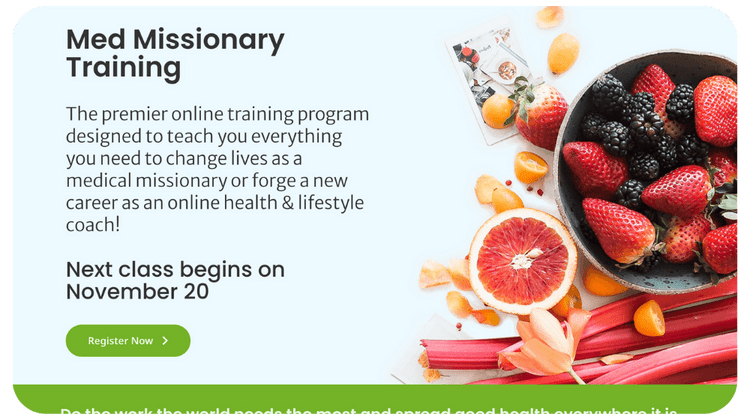
- Med Missionary Training. This online program seeks to marry biblical principles with effective scientific research. The six-week course, also affiliated with SDA, emphasizes natural remedies and effective use of proper nutrition and diet.
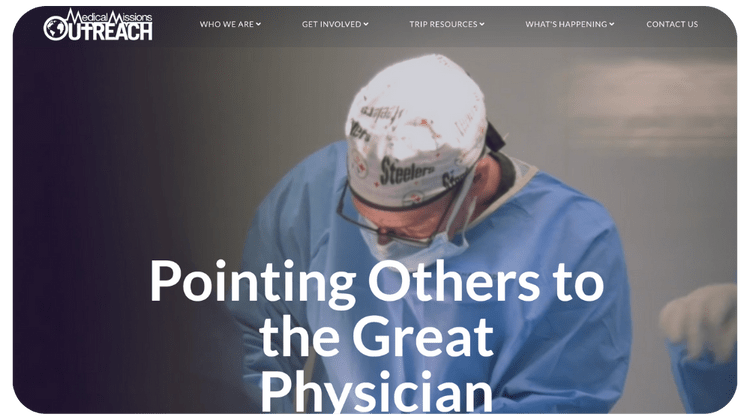
- Medical Missions Outreach. In general, this organization provides short-term mission trip opportunities for medical professionals and volunteers. Training is available for non-professionals, equipping them to assist doctors and nurses on the field. This could be an option for someone wanting a taste of medical missions or seeking to clarify their call.
Cost and Practical Support
Many medical missionary training options are affordable compared to traditional degree programs, and some missions training programs are modular, meaning you can build skills over time. Even so, finances often feel like a barrier. Support raising is common in missions, and it is not limited to long-term workers.
Things You Can Start Doing Now
Medical missionary training can feel overwhelming at first. You may not know where to begin. A practical starting point is focusing on what you can do right now, before any formal program, to prepare yourself for serving God as a medical missionary. Here are two areas to consider:
1. Spiritual Disciplines
Spiritual disciplines are the foundation of everything else. How you relate to God now will shape how you serve on the field. Here are the key disciplines to cultivate:
- Bible study: Learn to study Scripture without relying solely on study guides or sermons. On the field, especially in remote locations, you may not have access to a pastor. Build a direct relationship with God through His Word now.
- Prayer: This means both talking to God and listening through the Holy Spirit and Scripture. Study prayer and learn how to point the people you serve toward God through it.
- Fasting: Develop a deep longing for God by intentionally withholding food or another essential element of your daily routine. This discipline is often overlooked but matters for readiness in ministry.
- Worship: Whether through local services or a personal rhythm at home, set aside intentional time to worship. What you cultivate now is what you will carry to the field.
- Fellowship: Surround yourself with other believers. You are not meant to do this alone, and isolation during preparation is a warning sign.
- Journaling: Work through your prayers and reflections in writing. Looking back over time reveals God's faithfulness in ways that memory alone cannot capture.
- Scripture memorization: Hide His Word in your heart. Knowing Scripture from memory is one of the most practical tools a missionary can have when pointing others to God.
2. Care of Self
If emotional instability is present, it will affect your time on the field. You need a firm foundation to draw from as you walk this journey. Caring for others consistently requires that you not neglect yourself.
Ask yourself honestly:
- How and why do I make the decisions I make? Can I say no when I need to?
- What are my unhealthy patterns of self-soothing? How do I stay balanced? Do I give myself permission to rest?
- Do I have trusted people I share life with regularly? Am I growing in intimacy with Jesus?
- What addictions or unresolved pain are present in my life? Are there recurring themes—fear, anxiety, grief, control—that I have not addressed?
These questions are not meant to disqualify you. They are meant to help you show up to the field with self-awareness rather than blind spots.
Take a Next Step in Short-Term Missions
Medical missionary training often becomes clearer when learning connects to action. Serving short-term can reveal strengths, uncover gaps, and confirm whether you should pursue additional mission training programs for a longer season. Explore short-term mission trip opportunities and look for roles that match your skills, your maturity, and the kind of team you can serve with faithfulness.
Related Content



Comments
Daniel ONeill
Daniel ONeill